Understanding Cholesterol: HDL vs LDL and How to Balance Them
What Is Cholesterol and Why Does It Matter?
Cholesterol is a waxy, fat-like substance essential for building cell membranes, producing hormones, and aiding digestion. It plays a critical role in maintaining heart health and overall bodily functions.
Despite its vital functions, an imbalance of cholesterol types in the blood can increase the risk of cardiovascular diseases. Understanding how cholesterol works helps you manage and maintain healthy cholesterol levels for long-term wellness.
The Difference Between HDL and LDL Cholesterol
HDL (High-density lipoprotein) and LDL (Low-density lipoprotein) are two main types of cholesterol that serve different purposes in your body. HDL is known as the "good" cholesterol because it transports excess cholesterol from arteries back to the liver for removal.
In contrast, LDL is considered "bad" cholesterol as it carries cholesterol to the arteries where it can build up in the walls, forming plaques that narrow blood vessels and increase heart disease risk.
The balance between HDL and LDL cholesterol is crucial. Ideally, you want higher HDL to protect your arteries and lower LDL to reduce plaque buildup and maintain cardiovascular health.
Health Risks of Imbalanced Cholesterol Levels
High levels of LDL cholesterol combined with low HDL cholesterol greatly elevate the risk of serious health problems like heart attack, stroke, and atherosclerosis. LDL plaques can clog arteries, leading to reduced blood flow and increased strain on the heart.
Conversely, low HDL levels limit the body’s ability to clear cholesterol from arteries, compounding damage. This imbalance is a major contributor to chronic cardiovascular disease worldwide.
Managing cholesterol levels effectively reduces these risks and contributes to lasting heart health.
How to Test and Interpret Your Cholesterol Numbers
A cholesterol test measures your total cholesterol, HDL, LDL, and triglycerides to assess heart disease risk. These tests require a simple blood sample, often after fasting for 9–12 hours.
Understanding your numbers helps tailor lifestyle or medical interventions:
- Total cholesterol: Ideally below 200 mg/dL.
- LDL cholesterol: Optimal level under 100 mg/dL for most adults.
- HDL cholesterol: 60 mg/dL or higher is protective; below 40 mg/dL for men and 50 mg/dL for women is a risk factor.
- Triglycerides: Should be less than 150 mg/dL.
Regular testing—every 4 to 6 years for healthy adults, more frequently if at risk—is key to effective cholesterol management and heart health monitoring.
Lifestyle Changes to Improve Cholesterol Balance
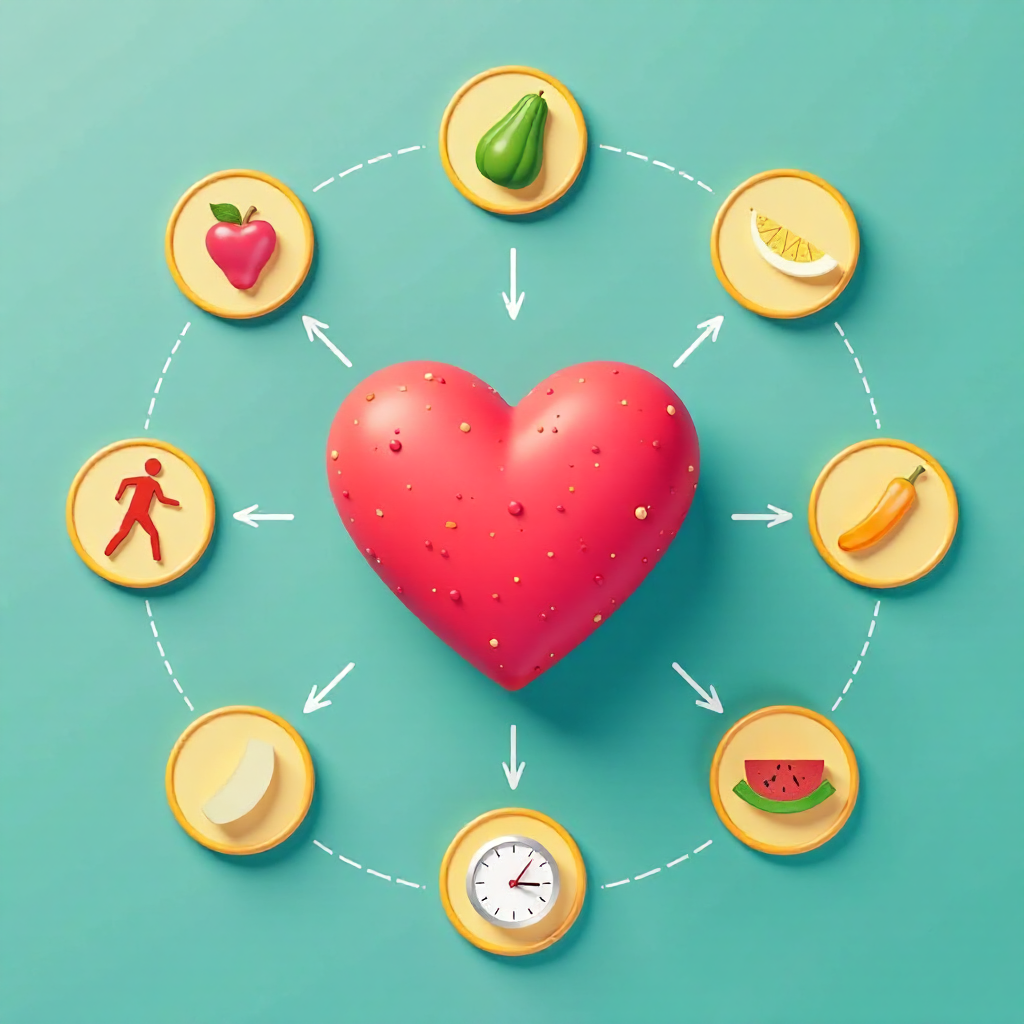
To balance HDL and LDL cholesterol, lifestyle adaptations are the first and most effective step. Focus on a balanced diet for cholesterol that lowers LDL and raises HDL naturally.
- Eat more healthy fats: Incorporate monounsaturated and polyunsaturated fats from olive oil, avocados, nuts, and fatty fish like salmon. These fats help increase HDL while reducing LDL.
- Reduce saturated and trans fats: Avoid processed foods, fatty cuts of meat, and full-fat dairy which raise LDL levels.
- Increase soluble fiber: Foods like oats, beans, lentils, and fruits trap cholesterol in the digestive system and reduce LDL absorption.
- Exercise regularly: Moderate aerobic exercise such as walking, cycling, or swimming for 30 minutes a day can raise HDL cholesterol and improve overall heart function.
- Maintain a healthy weight: Excess body fat often correlates with higher LDL and lower HDL levels.
- Avoid smoking and limit alcohol intake: Both habits negatively impact cholesterol balance and cardiovascular health.
These changes lead to measurable improvements in cholesterol numbers typically within 3 to 6 months and contribute to sustained cardiovascular wellness.
When Medication May Be Needed
If lifestyle modifications don’t adequately control cholesterol, doctors may prescribe statins or other cholesterol-lowering medications. Statins work by reducing cholesterol production in the liver and can lower LDL by 20 to 60 percent.
Medication is usually considered when LDL remains high despite healthy habits, or there is an existing heart condition or elevated risk factors like diabetes or family history.
While effective, statins come with potential side effects and require medical supervision, so they complement rather than replace lifestyle changes for managing cholesterol.
Tips for Long-Term Heart Health Maintenance
Maintaining balanced cholesterol levels requires a lifelong commitment to habits that protect your heart:
- Continue regular cholesterol testing and consult your healthcare provider for personalized targets.
- Follow a nutrient-rich diet that emphasizes whole foods, lean proteins, and heart-healthy fats.
- Keep consistent physical activity part of your routine to sustain HDL benefits.
- Manage stress through mindfulness, adequate sleep, and relaxation techniques.
- Consider wellness products—such as omega-3 supplements or plant sterols—that support cholesterol balance, but only after discussing with your doctor.
These strategies lower the risk of cardiovascular events and support a healthier, longer life by keeping HDL and LDL cholesterol in optimal balance.
Frequently Asked Questions
What foods increase HDL cholesterol?
Foods rich in healthy fats like fatty fish (salmon, mackerel), nuts, olive oil, and avocados can help raise HDL cholesterol. Including soluble fiber from oats and legumes also supports better cholesterol balance.
Is LDL always bad for you?
LDL is often labeled "bad," but it serves the essential role of transporting cholesterol to cells for repair and hormone production. Problems arise when LDL levels are too high, leading to arterial plaque buildup. So, it’s the quantity and particle quality that matter, not LDL itself.
How often should I check my cholesterol?
Healthy adults should test cholesterol every 4 to 6 years, but testing should be more frequent if you have cardiovascular risk factors such as obesity, smoking, diabetes, or family history.
Can exercise really raise HDL levels?
Yes, regular aerobic exercise has been shown to increase HDL cholesterol by 5 to 10%, improving its protective function against heart disease.
Are cholesterol supplements effective?
Some supplements, like omega-3 fatty acids, plant sterols, and soluble fiber supplements, can modestly improve cholesterol profiles. However, they should complement, not replace, lifestyle changes and medical treatments.