Top 5 Heart-Healthy Superfoods You Should Include in Your Meals
Introduction to Heart Health and Nutrition
Heart health relies heavily on nutrition, as a well-balanced diet supports cardiovascular wellness by managing blood pressure, reducing cholesterol, and controlling inflammation. Heart-healthy superfoods are nutrient-dense foods rich in antioxidants, omega-3 fatty acids, and fiber that specifically benefit the heart and blood vessels.
Incorporating these foods into daily meals can improve blood flow, lower the risk of heart disease, and promote long-term cardiovascular function. Understanding how each superfood contributes to heart health helps you make targeted choices for a heart-smart lifestyle.
Superfood #1: Fatty Fish (e.g., Salmon, Mackerel)
Fatty fish like salmon and mackerel are excellent sources of omega-3 fatty acids, which lower triglycerides and reduce inflammation, directly supporting cardiovascular health.
Omega-3s, especially EPA and DHA, improve blood vessel function and help prevent plaque buildup by reducing harmful cholesterol levels. Studies consistently link regular fatty fish consumption with decreased risk of heart attacks and stroke.
To prepare fatty fish easily, bake or grill it with herbs and lemon for a flavorful, heart-healthy meal. Aim for at least two servings per week to achieve meaningful benefits. Canned options like wild salmon can be convenient and nutrient-packed alternatives.
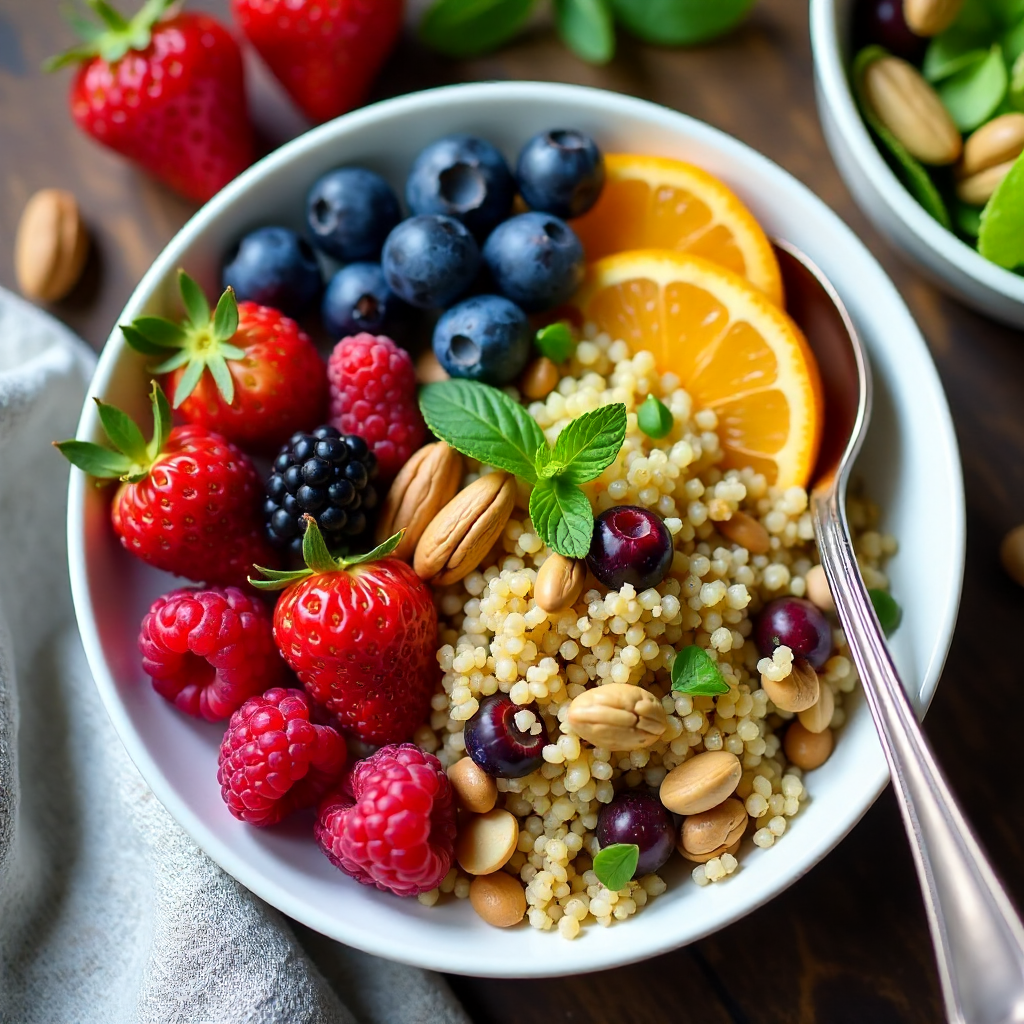
Superfood #2: Berries (e.g., Blueberries, Strawberries)
Berries such as blueberries and strawberries are rich in antioxidants that combat oxidative stress and inflammation, which contribute to blood pressure elevation and artery damage.
These fruits provide flavonoids and vitamin C, which improve endothelial function and help lower blood pressure naturally. Their anti-inflammatory compounds also reduce arterial stiffness, aiding blood flow.
Adding a handful of fresh or frozen berries to breakfast cereals, smoothies, or salads offers a delicious way to incorporate these potent antioxidants. Their fiber content further supports cholesterol reduction by binding bile acids in the gut.
Superfood #3: Leafy Greens (e.g., Spinach, Kale)
Leafy greens like spinach and kale supply fiber, vitamins, and potassium essential for maintaining vascular health and managing blood pressure.
The fiber in greens improves cholesterol levels by lowering LDL cholesterol, while potassium balances sodium effects to help regulate blood pressure. Rich in vitamins K and A, they support arterial elasticity and reduce inflammation.
Incorporate leafy greens into meals by tossing them into salads, adding to smoothies, or sautéing with garlic and olive oil. These nutrient-dense vegetables boost your cardiovascular defenses with every bite.
Superfood #4: Nuts (e.g., Almonds, Walnuts)
Nuts such as almonds and walnuts provide heart-healthy fats, including monounsaturated fats and omega-3s that aid cholesterol management and reduce inflammation.
Consuming nuts helps lower LDL cholesterol and raise HDL cholesterol, improving the lipid profile and decreasing heart disease risk. Their nutrient profile also includes magnesium, which assists in blood pressure control.
Eating a small handful of nuts daily as a snack or topping on yogurts and salads is a convenient way to benefit from these healthy fats. However, watch portion sizes as nuts are calorie-dense.
Superfood #5: Whole Grains (e.g., Oats, Quinoa)
Whole grains like oats and quinoa are fiber-rich foods that promote cholesterol reduction and stabilize blood sugar, both crucial for heart health.
The soluble fiber in oats specifically lowers LDL cholesterol by binding bile acids, while whole grains improve insulin sensitivity and reduce systemic inflammation. These effects collectively support blood pressure management and reduce cardiovascular risk.
Integrate whole grains by swapping refined grains for oatmeal breakfasts, quinoa salads, or whole grain bread. Their versatility makes them easy to add to any meal plan focused on nutrient-density.
Practical Tips to Add These Superfoods to Your Daily Meals
Incorporating these heart-healthy superfoods into daily meals becomes simpler with some planning and easy swaps:
- Fatty fish: Replace red meat twice a week with baked salmon or mackerel for a rich omega-3 boost.
- Berries: Add fresh or frozen berries to your morning oatmeal, yogurt, or smoothies for antioxidants and fiber.
- Leafy greens: Include spinach or kale in sandwiches, pasta, or pizzas to increase potassium and vitamins.
- Nuts: Keep a jar of mixed nuts handy for snacks or use crushed walnuts as a salad topping.
- Whole grains: Start meals with whole grain bread or switch to quinoa-based soups and salads for sustained energy and cholesterol control.
Meal planning that focuses on these superfoods supports heart health by ensuring nutrient-rich, balanced choices. Remember to combine these foods with overall healthy habits, such as regular exercise and stress management, for the best cardiovascular outcomes.
Frequently Asked Questions (FAQ)
What are the best superfoods for heart health?
The best heart-healthy superfoods include fatty fish rich in omega-3s, antioxidant-packed berries, fiber-rich leafy greens, healthy fat-containing nuts, and whole grains high in soluble fiber. These foods offer a combination of benefits like cholesterol lowering, blood pressure management, and inflammation control essential for cardiovascular health.
How do omega-3 fatty acids benefit the heart?
Omega-3 fatty acids reduce triglycerides, lower blood pressure, decrease inflammation, and improve blood vessel function. These effects help reduce plaque buildup in arteries and lower the risk of heart attacks and stroke.
Can superfoods lower blood pressure naturally?
Yes, many superfoods like leafy greens (high in potassium), berries (rich in antioxidants), and nuts (containing magnesium and healthy fats) help manage blood pressure naturally by promoting arterial flexibility and balancing sodium effects.
How much of these superfoods should I eat daily?
Aim for about two servings of fatty fish per week, a handful of berries daily, at least one to two servings of leafy greens each day, a small handful (about 1 ounce) of nuts daily, and multiple servings of whole grains to gain measurable heart health benefits.
Are superfoods enough, or do I need other lifestyle changes?
While superfoods provide key nutrients for heart health, they are most effective when combined with other lifestyle changes like regular physical activity, smoking cessation, maintaining a healthy weight, and stress reduction to optimize cardiovascular wellness.