The Importance of Regular Cardiovascular Exercise for Heart Health
Understanding Cardiovascular Exercise and Its Role
Cardiovascular exercise, also known as aerobic activity, is any sustained physical movement that increases heart rate and improves the efficiency of the heart and lungs. This type of exercise plays a vital role in maintaining and enhancing heart health by strengthening the heart muscle and boosting blood circulation.
By engaging in cardiovascular activities—such as brisk walking, running, cycling, or swimming—the heart pumps blood more efficiently, delivering oxygen and nutrients to tissues throughout the body. These effects not only support daily function but also protect against heart-related illnesses.
How Cardiovascular Exercise Improves Heart Health
Regular cardiovascular exercise improves heart health by causing physiological adaptations that benefit the entire cardiovascular system. Specifically, aerobic activity enhances blood flow, lowers resting blood pressure, and strengthens the heart muscle, leading to better endurance.
During cardiovascular workout sessions, the heart pumps more blood per beat (increased stroke volume), reducing the number of beats needed at rest and lowering blood pressure. Over time, this endurance training leads to more efficient oxygen use, reduced arterial stiffness, and improved lipid profiles, all of which lower the risk of heart disease prevention.
Additionally, cardio stimulates the growth of new blood vessels, which supports improved circulation and helps the body adapt to physical demands without excessive strain.
Recommended Types and Duration of Cardio for Optimal Heart Benefits
To gain maximal heart health benefits, health authorities recommend engaging in moderate-intensity aerobic exercise for at least 150 minutes per week or vigorous-intensity exercise for 75 minutes weekly. This recommendation aligns with guidelines from organizations like the American Heart Association.
Popular cardiovascular exercises suitable for most people include:
- Brisk walking or hiking
- Running or jogging
- Cycling (indoor or outdoor)
- Swimming laps
- Group fitness classes (e.g., dance, step aerobics)
- Rowing or elliptical training
Understanding your heart rate zones can help tailor workouts for different goals. For general health, maintaining 50-70% of your maximum heart rate during exercise fosters effective cardiovascular conditioning.
Gradually increasing duration and intensity helps avoid injury and promotes steady progress. Combining different forms of aerobic activity can keep routines engaging and well-rounded.
Risks of Sedentary Lifestyle on Heart Health
Insufficient physical activity significantly raises the risk of cardiovascular diseases. A sedentary lifestyle contributes to high blood pressure, obesity, poor cholesterol levels, and reduced heart muscle efficiency.
Without regular aerobic activity, blood circulation slows, increasing the likelihood of clot formation and arterial plaque buildup, which can eventually lead to heart attacks or strokes. Furthermore, inactivity negatively affects glucose metabolism, increasing the risk of type 2 diabetes—another major risk factor for heart disease.
Studies show that physically inactive individuals have up to a 50% higher risk of developing coronary artery disease compared to those who engage in consistent cardiovascular exercise, stressing the critical need to incorporate movement into daily life.
Tips to Incorporate Regular Cardiovascular Exercise into Your Routine
Integrating cardiovascular exercise into daily life doesn't require drastic changes and can be approached with simple, practical strategies:
- Start small: Begin with 10-15 minutes of brisk walking and gradually increase time and intensity.
- Schedule workouts: Treat exercise sessions as important appointments to improve consistency.
- Mix activities: Combine different aerobic exercises like cycling, swimming, and dance to maintain motivation.
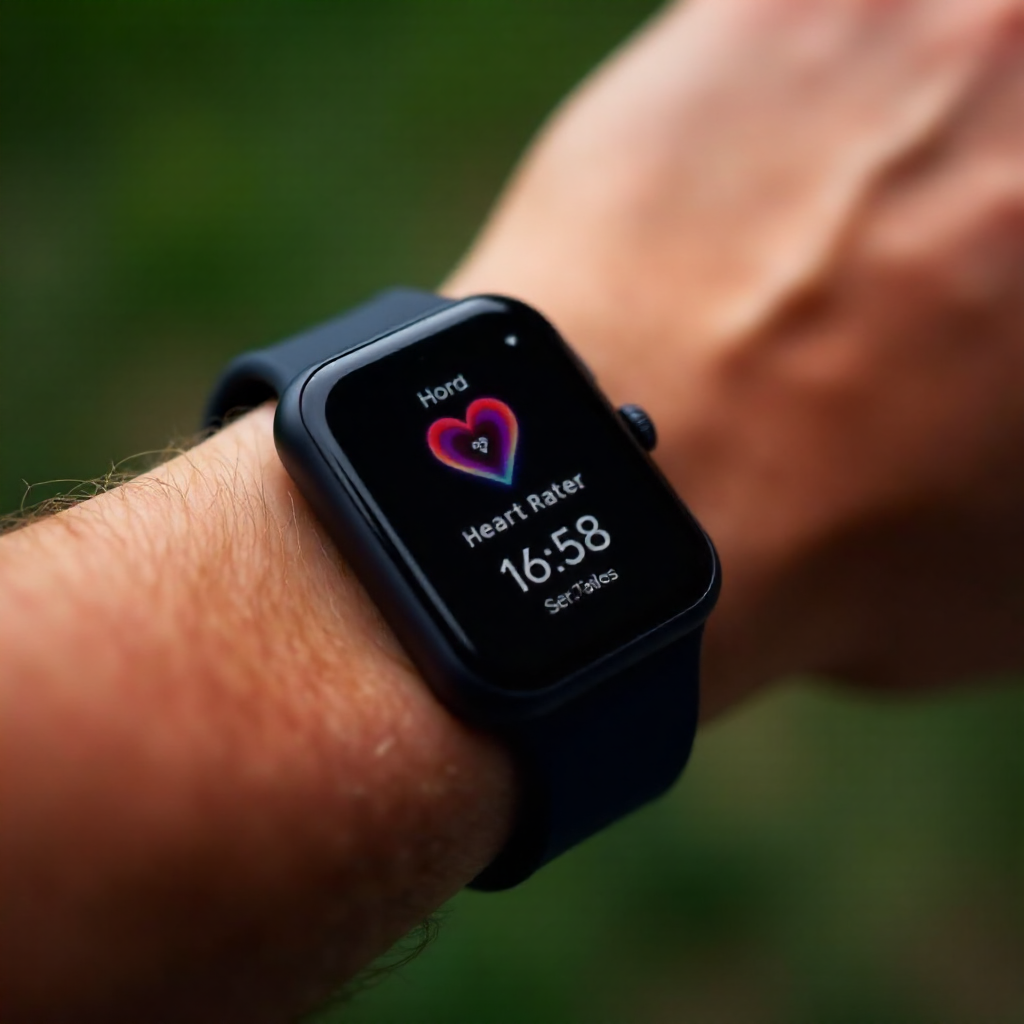
- Use technology: Wearable devices and apps can track heart rate zones and daily steps, offering tangible progress feedback.
- Active commuting: Walk or cycle to work when possible to integrate cardio naturally.
- Buddy system: Exercising with friends or joining group classes increases accountability.
By making small lifestyle adjustments, cardiovascular exercise becomes an accessible, sustainable habit that significantly benefits heart health over the long term.
Monitoring Your Heart Health Through Exercise
Tracking heart health during cardiovascular exercise involves paying attention to heart rate and recognizing signs of overexertion. Monitoring allows individuals to exercise within safe and effective heart rate zones, optimizing benefits while minimizing risks.
Using a heart rate monitor or fitness tracker can help keep intensity in the moderate range (50-70% of max heart rate) for most workouts. It is important not to push beyond one’s capacity, especially for beginners or those with existing heart conditions—symptoms like chest discomfort, excessive fatigue, dizziness, or palpitations should prompt immediate cessation of exercise and medical consultation.
Regular check-ins with healthcare providers, combined with exercise monitoring, offer a comprehensive approach to managing cardiovascular health effectively.
FAQ: Common Questions About Cardiovascular Exercise and Heart Health
How often should I do cardiovascular exercise for heart health?
The general recommendation is at least 150 minutes of moderate aerobic activity or 75 minutes of vigorous activity weekly, spread over most days, to maintain optimal heart health.
Can cardio exercise reverse heart disease?
While cardio cannot cure existing heart disease, regular aerobic exercise can improve heart function, reduce symptoms, and slow disease progression. It should be part of a comprehensive treatment plan.
What types of cardio are best for beginners?
Low-impact activities like brisk walking, swimming, or cycling are excellent starting points for beginners due to their accessibility and lower injury risk.
How intense should my workouts be for heart benefits?
Moderate intensity—working at 50-70% of your maximum heart rate—is generally effective and sustainable for health gains. Higher intensity can offer additional fitness benefits but requires careful approach.
Is walking considered good cardiovascular exercise?
Yes, walking is a highly effective and accessible form of cardiovascular exercise, especially brisk walking that elevates the heart rate sufficiently.
For further authoritative information, visit the American Heart Association physical activity guidelines.