The Connection Between Gut Health and Cardiovascular Function
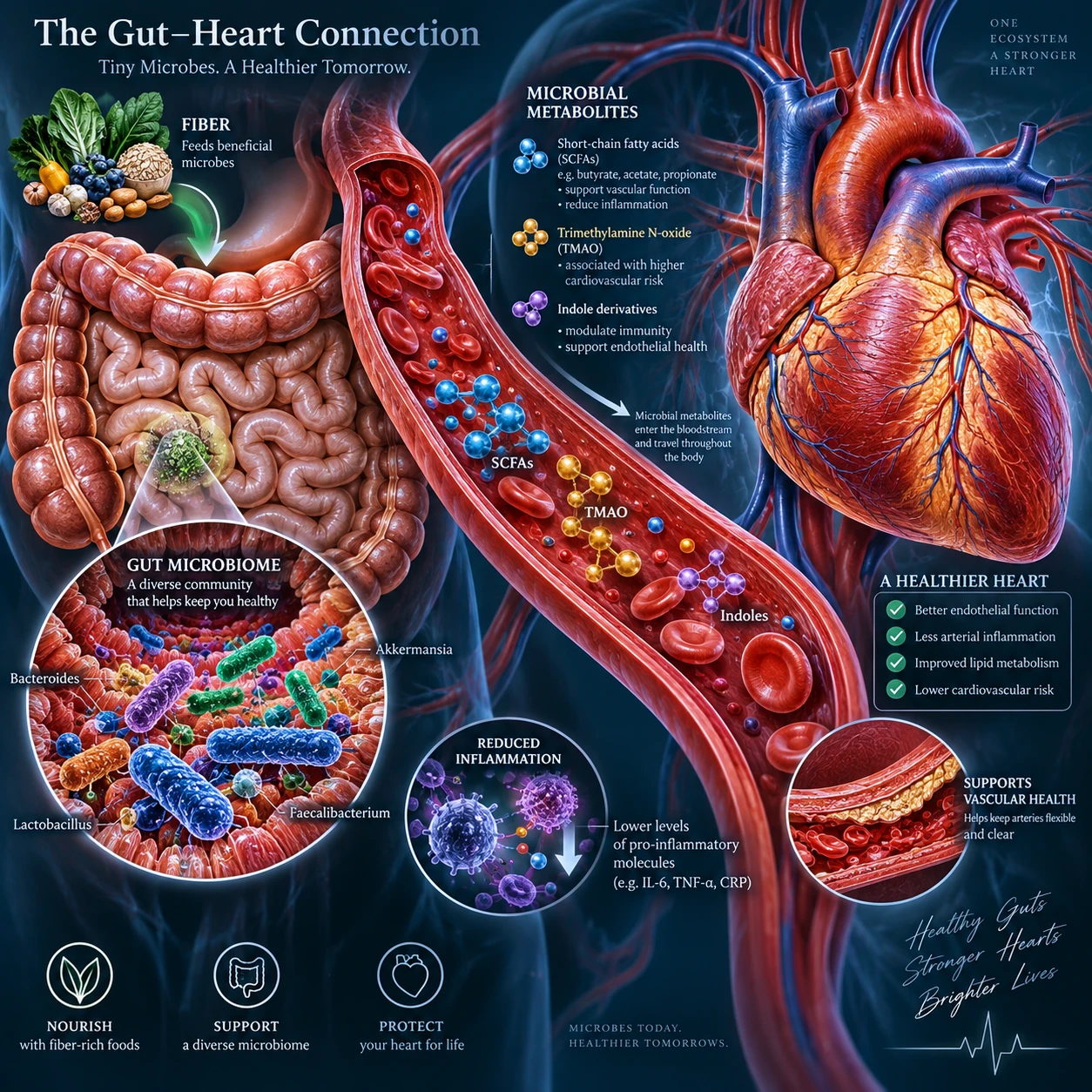
Your gut and heart may seem like separate systems, but they communicate through the bloodstream, immune signals, and substances made when gut microbes process food. Researchers call this relationship the gut–heart axis. It offers promising clues about cardiovascular health, though it does not mean that changing your microbiome can replace proven heart care.
What the gut–heart connection means
The gut–heart axis describes two-way links between the gut microbiome and the cardiovascular system. Gut microbes can produce compounds that enter circulation, while blood flow, inflammation, and cardiovascular disease can also affect the gut environment.
The gut microbiome includes bacteria and other microorganisms living in the digestive tract. Its composition varies from person to person and can shift with diet, medication, illness, and other factors. Researchers study whether these differences are associated with blood pressure, inflammation, atherosclerosis, and other cardiovascular measures.
Several routes may connect the systems. Microbes transform nutrients into metabolites; the gut lining and immune system influence inflammatory signals; and those signals can affect blood vessels. These relationships are complex, and a microbiome pattern linked with heart disease may be a cause, a consequence, or a marker of other influences such as diet or kidney function.
How the gut microbiome may affect the heart and blood vessels
The gut microbiome may affect cardiovascular function through microbial metabolites, immune activity, and the health of blood vessels. These pathways are biologically plausible, but researchers are still working out how much they contribute to disease in people.
Microbial metabolites: short-chain fatty acids and TMAO
When gut microbes ferment dietary fiber, they make short-chain fatty acids (SCFAs), including acetate, propionate, and butyrate. These compounds support the gut lining and may influence immune responses, metabolism, and blood vessel function. Studies suggest possible cardiovascular benefits, but the effects depend on many factors and are not a reason to take a particular supplement without medical advice.
Another compound of interest is trimethylamine N-oxide (TMAO). Some gut microbes produce trimethylamine from nutrients found in foods such as red meat, eggs, and some seafood; the liver then converts it to TMAO. Higher TMAO levels have been associated with cardiovascular risk in some studies. However, levels are also shaped by kidney function, diet, and microbial differences, so the association does not prove that TMAO itself causes heart disease.
Inflammation and blood vessel function
The gut barrier helps keep microbes and their components inside the digestive tract. If that barrier is disrupted, immune activity may increase. Chronic inflammation is involved in atherosclerosis, the buildup of plaque in artery walls, but scientists have not established that gut changes are a primary cause of this process in most people.
Microbial metabolites and immune signals may also influence how blood vessels relax and respond to changes in blood flow. These mechanisms could affect blood pressure over time. Still, blood pressure has many established influences, including age, genetics, kidney function, medication, and sodium intake. Gut health is one area of research, not a stand-alone explanation.
Diet, fiber, and the gut–heart relationship
A varied, fiber-rich eating pattern can support gut microbes and cardiovascular health at the same time. The overall pattern matters more than any single food, and dietary changes should fit your medical needs and preferences.
Fiber from beans, lentils, vegetables, fruit, whole grains, nuts, and seeds gives gut microbes material to ferment into SCFAs. Many high-fiber foods also provide nutrients that support heart health. Increase fiber gradually and drink enough fluids; a sudden increase can cause gas or bloating, especially for people with digestive conditions.
A practical approach is to build meals around vegetables or fruit, add beans or whole grains regularly, and choose unsaturated fats more often than heavily processed options. These habits can support a healthy dietary pattern without relying on claims about a single “superfood.” If you have kidney disease, food allergies, irritable bowel symptoms, or another condition that limits certain foods, ask a clinician or registered dietitian how to adapt your choices.
Fermented foods such as yogurt with live cultures, kefir, and some fermented vegetables may add beneficial microbes or support dietary variety. Their effects vary, and some products contain substantial sodium, added sugar, or ingredients that do not suit everyone. Check labels and choose based on the whole product, not just the word “probiotic.”
What the evidence says—and its limits
Research supports a connection worth studying, but it does not yet show that manipulating the gut microbiome prevents or treats cardiovascular disease. Many findings are associations or come from early-stage research, so they cannot establish cause and effect on their own.
Observational studies can identify links between gut microbes, TMAO, inflammation, and cardiovascular outcomes. But people with different microbiomes may also differ in diet, medication use, kidney function, physical activity, and existing health conditions. Any of these factors could contribute to the results. Animal and laboratory studies help explain possible mechanisms, but their findings do not automatically apply to humans.
Probiotics are another area where careful interpretation matters. A probiotic’s effects depend on the specific strain, dose, and person. Current evidence does not support treating probiotics as a proven way to prevent heart attacks, lower cardiovascular risk, or replace blood pressure or cholesterol treatment. “Gut reset” programs and microbiome tests also lack established roles in routine heart care.
For a broader overview of cardiovascular prevention, the National Heart, Lung, and Blood Institute’s heart-healthy living guidance focuses on established steps such as healthy eating, activity, and managing risk factors. These approaches remain more actionable than trying to target a single microbial marker.
Practical ways to support gut and heart health
To support gut and heart health, focus on consistent habits with established benefits: eat a varied diet, move regularly, avoid tobacco, and manage cardiovascular risk factors with professional guidance. No single food, probiotic, or supplement can do all of this work.
- Build fiber gradually. Include a variety of plant foods across the week, such as beans, oats, vegetables, fruit, and whole grains. Adjust portions if a health condition causes digestive symptoms.
- Choose a heart-supportive pattern. Favor minimally processed foods and unsaturated fats, and limit excess sodium and added sugars where appropriate. The right plan depends on your health, culture, budget, and preferences.
- Be physically active. Regular movement supports cardiovascular fitness and can benefit digestion. Choose activities you can sustain, and ask a clinician what is safe if you have symptoms or a diagnosed condition.
- Avoid tobacco and follow through on risk management. Do not stop prescribed medicines or replace them with supplements. Keep up with recommended checks for blood pressure, cholesterol, and blood sugar.
- Use probiotics thoughtfully. Discuss supplements with a healthcare professional, particularly if you have a weakened immune system, a serious illness, or take medication. A product’s strain and dose matter, and evidence for heart benefits remains limited.
A useful rule is to prioritize changes that improve several established risk factors at once. For example, replacing a highly processed snack with fruit and unsalted nuts may add fiber and improve the overall quality of your diet. It is a modest choice, not a treatment for a cardiovascular condition.
When to seek medical advice
Talk with a healthcare professional about cardiovascular symptoms, risk factors, or questions about probiotics and other supplements. Gut-focused strategies should never delay assessment or replace evidence-based treatment.
Seek urgent medical care for possible heart attack symptoms, such as chest pressure or pain, shortness of breath, fainting, or discomfort spreading to the arm, back, neck, or jaw. Symptoms can differ between people. If you think you may be having an emergency, contact local emergency services rather than waiting for a routine appointment.
For nonurgent concerns, discuss your blood pressure, cholesterol, family history, and any digestive symptoms that affect eating or medication use. A clinician can help weigh supplement safety and possible interactions. Bring the product label or ingredient list, and do not stop a prescribed medicine unless the prescriber advises you to do so.
Frequently asked questions
Can gut health affect heart health? It may influence cardiovascular processes through metabolites and immune signals, but the size and direction of its effects in people are still being studied.
What is the gut–heart axis? It is the two-way relationship between the gut microbiome and cardiovascular system, involving microbial products, inflammation, and other signals.
Does TMAO cause heart disease? Higher TMAO has been associated with cardiovascular risk, but current evidence does not prove that it directly causes heart disease.
Can probiotics improve cardiovascular health? Some research explores possible effects, but probiotics are not established treatments for preventing or managing cardiovascular disease.
What foods support both gut and heart health? A varied pattern that includes vegetables, fruit, beans, whole grains, nuts, and other suitable high-fiber foods can support both systems. Individual needs differ, so tailor choices to your health and any dietary restrictions.