How to Maintain Optimal Blood Pressure Through Diet and Lifestyle
Understanding Blood Pressure and Its Impact on Health
Blood pressure is the force exerted by circulating blood against the walls of blood vessels, and maintaining it within a healthy range is vital for overall heart health and preventing complications like hypertension.
Blood pressure readings include two numbers: systolic (pressure during heartbeats) and diastolic (pressure between beats). When blood pressure is consistently elevated—known as hypertension—it significantly increases the risk of heart disease, stroke, kidney problems, and other serious health issues.
Optimal blood pressure levels vary, but generally, a reading below 120/80 mm Hg is considered healthy. The body’s cardiovascular system relies on balanced blood pressure to efficiently deliver oxygen and nutrients. Early prevention through diet and lifestyle can stop high blood pressure from developing or progressing.
The Role of Diet in Blood Pressure Management
Diet plays a central role in managing blood pressure by influencing vascular function, fluid balance, and weight. Consuming nutrient-dense, whole foods supports heart health and reduces hypertension risk.
Research-backed dietary approaches, especially the DASH diet (Dietary Approaches to Stop Hypertension), emphasize fruits, vegetables, whole grains, lean proteins, and low-fat dairy. This diet is rich in fiber, potassium, magnesium, and calcium—all of which help regulate blood pressure.
Limiting processed foods and saturated fats can reduce artery inflammation and stiffness, key contributors to elevated blood pressure. The focus should be on a varied, balanced diet that promotes vascular health and sustainable eating habits rather than drastic restrictions.
Key Dietary Strategies: Reducing Sodium and Embracing Potassium
Reducing sodium intake and increasing potassium-rich foods are two of the most effective dietary strategies to maintain healthy blood pressure.
Excess sodium causes the body to retain water, which increases blood volume and pressure. Current guidelines recommend limiting sodium to less than 2,300 mg per day, with ideal targets around 1,500 mg for those at risk of hypertension. Avoiding high-salt processed foods, canned soups, and restaurant meals helps achieve this.
Conversely, potassium helps counterbalance sodium’s effects by relaxing blood vessel walls and promoting sodium excretion. Foods high in potassium include bananas, spinach, sweet potatoes, avocados, and beans. Incorporating these in daily meals supports blood pressure regulation naturally.
Balancing sodium and potassium is crucial because focusing on only one can provide incomplete benefits. Additionally, individual needs may vary, so consulting a healthcare provider is advised to tailor intake based on health conditions.
Lifestyle Habits That Support Healthy Blood Pressure
Several lifestyle habits beyond diet significantly influence blood pressure control. Physical activity, weight management, and moderation of alcohol consumption are critical components.
- Exercise: Regular aerobic exercise, such as walking, cycling, or swimming, can reduce systolic blood pressure by 5-8 mm Hg on average. Aim for at least 150 minutes per week of moderate-intensity activity to strengthen heart function and improve circulation.
- Weight Management: Maintaining a healthy weight lowers blood pressure by reducing strain on the heart and arteries. Losing as little as 5-10% of body weight can lead to noticeable improvements.
- Alcohol Moderation: Excessive drinking raises blood pressure and weakens heart health. Limiting alcohol to no more than one drink per day for women and two for men supports optimal levels.
- Smoking Cessation: Smoking causes immediate and long-term spikes in blood pressure and damages vascular health. Quitting contributes to substantial improvements in cardiovascular risk.
Implementing these habits consistently, rather than sporadically, is key to sustaining blood pressure benefits in the long term.
Managing Stress for Better Blood Pressure Control
Stress directly impacts blood pressure by activating the sympathetic nervous system, causing blood vessels to constrict and heart rate to rise. Managing stress effectively is a vital yet often overlooked part of blood pressure control.
Techniques such as mindfulness meditation, deep breathing exercises, yoga, and progressive muscle relaxation have been shown to lower blood pressure by promoting vascular relaxation and reducing cortisol levels.
Beyond formal practices, integrating enjoyable physical activity, social support, and hobbies into daily life helps mitigate chronic stress. Addressing stressors proactively limits their negative effects on blood pressure and overall heart health.
Creating a Sustainable Blood Pressure Wellness Plan
Maintaining optimal blood pressure requires a long-term, holistic approach combining diet, exercise, stress management, and routine monitoring.
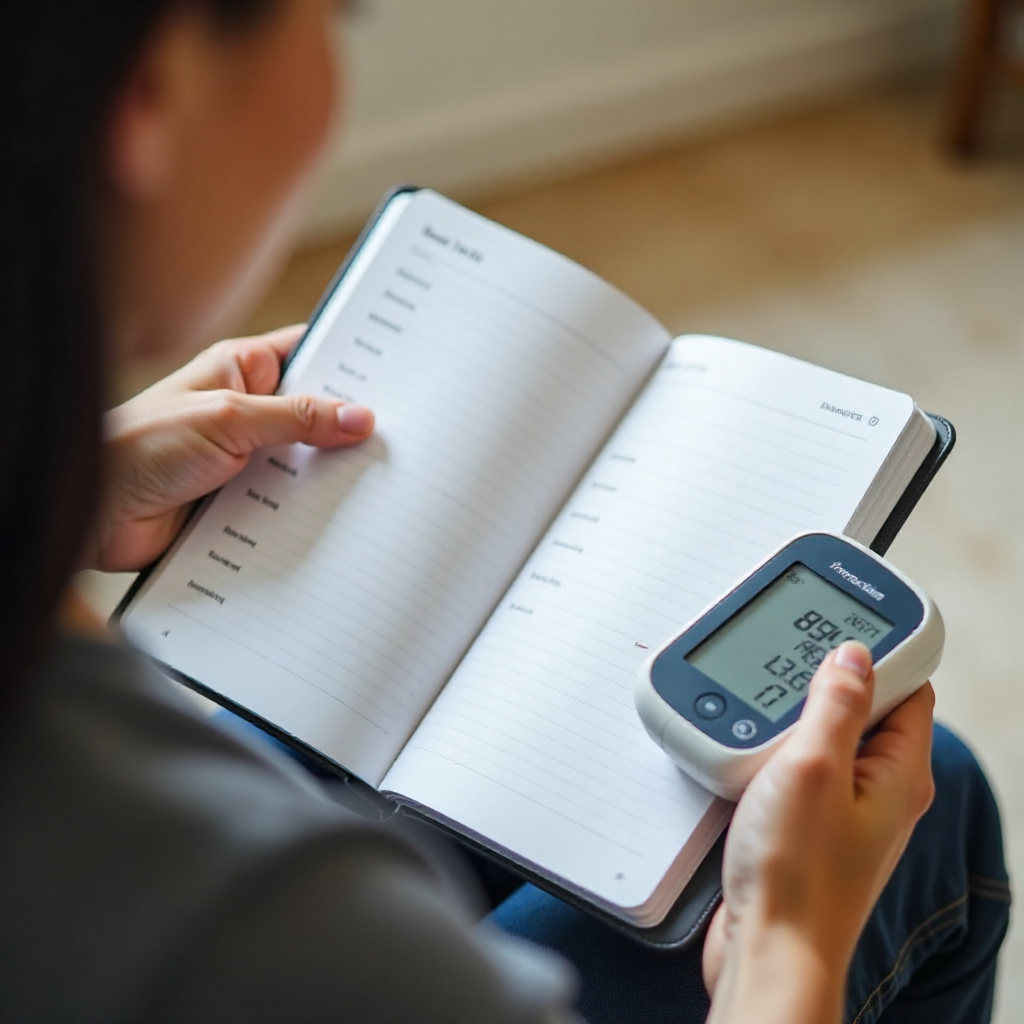
Start by setting realistic goals such as gradually reducing sodium, trying new potassium-rich recipes, or adding short walks after meals. Tracking your progress using blood pressure monitors and journaling lifestyle changes ensures accountability and adjustments when needed.
Consistency is more important than perfection. Choose habits that fit your preferences and schedule to increase adherence. Collaborate with healthcare professionals to personalize your plan and address any medical considerations.
Remember, sustainable lifestyle changes reduce dependency on medications and improve quality of life beyond blood pressure numbers. Patience and persistence pay off.
Frequently Asked Questions (FAQ)
What foods should I avoid to lower blood pressure?
Avoid foods high in sodium and unhealthy fats such as processed snacks, fast food, canned soups, and deli meats. Limit excessive alcohol, sugary beverages, and foods with added salt to support blood pressure control.
How much exercise is recommended for blood pressure control?
The American Heart Association recommends at least 150 minutes per week of moderate-intensity aerobic exercise. Activities like brisk walking, cycling, or swimming are effective for lowering blood pressure.
Can stress really affect blood pressure?
Yes, chronic stress activates hormonal responses that increase blood pressure. Learning to manage stress through relaxation techniques and lifestyle changes can significantly improve blood pressure levels.
Is cutting salt enough to manage high blood pressure?
While reducing salt intake helps, it is usually not enough alone. A combination of dietary changes, physical activity, weight control, and stress management delivers stronger, more sustainable blood pressure benefits.
What are natural ways to lower blood pressure quickly?
Deep breathing exercises, walking, and drinking water can provide short-term reductions. However, lasting improvement comes from consistent lifestyle changes including diet and exercise.
For more detailed guidance, visit authoritative resources like American Heart Association and CDC Blood Pressure Basics.